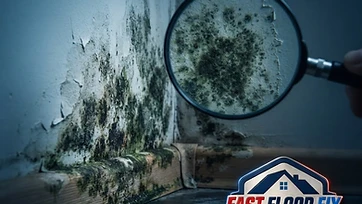

It is a common situation: the water is gone, the floor looks dry, and the room seems fine, but days or weeks later a musty smell or a stain appears. Understanding why this happens can help you know when more work is needed.
Surfaces dry faster than materials
The top of a floor or the face of a wall can feel dry while moisture remains trapped inside. Drywall, insulation, wood framing, and subfloors all hold water and release it slowly. Without sustained drying, that moisture stays put.
Moisture moves through materials
Water does not just sit where it falls. It wicks into adjacent materials, travels along framing, and can collect in lower areas. A small visible area of damage can hide a much larger wet area behind the wall.
Why problems return
If hidden moisture is not fully removed:
- Mold can begin to grow behind walls or under flooring.
- Materials can weaken or warp over time.
- Musty odors can develop and persist.
- Stains can reappear as moisture cycles in and out of materials.
How proper drying works
Professional drying uses air movers and dehumidifiers together to pull moisture out of materials and out of the air. Moisture meters are used to check inside walls and under floors, not just the surface. Drying continues until the structure reaches an appropriate moisture level.
Signs drying may be incomplete
- A persistent musty smell after the area looks dry.
- Walls or floors that feel cool or damp to the touch.
- Discoloration that returns or spreads.
- Paint or wallpaper that begins to bubble again.
What to do
If you have had water damage and notice any of these signs, the area may need further drying or assessment. Do not disturb suspected mold. A professional can check moisture levels inside walls and floors and recommend next steps.
Learn about our restoration services or contact us to discuss what you are seeing.