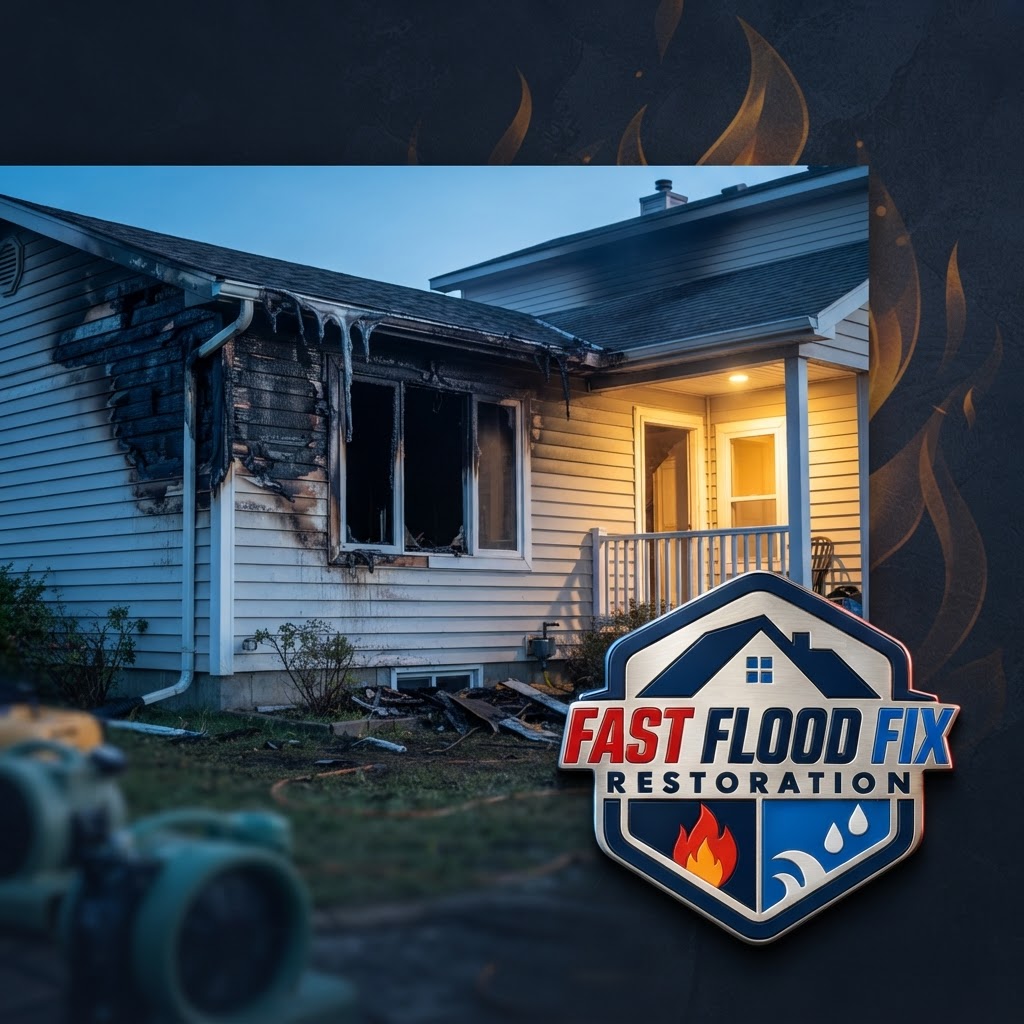
Experiencing a house fire can be overwhelming. Even after firefighters extinguish the flames, your home may have extensive damage that isn't immediately visible. Smoke, soot, water, and structural deterioration can all create additional problems.
Knowing what to do next can help protect your family, prevent additional damage, and make the restoration process easier.
1. Make Sure Your Home Is Safe to Enter
Never enter a fire-damaged property until emergency personnel or the appropriate authorities confirm it is safe.
Fire can weaken structural supports, damage electrical systems, and create hazardous conditions. Even areas that appear untouched may have hidden damage.
2. Contact Your Insurance Company
Notify your homeowners insurance provider as soon as possible.
Document visible damage with photographs and videos when it is safe to do so. Keep records of emergency expenses, temporary housing, and conversations with your insurance company.
Avoid throwing away damaged belongings until you understand your insurer's documentation requirements, unless they present an immediate hazard.
3. Understand the Different Types of Fire Damage
Fire restoration often involves more than repairing burned materials.
- Fire damage: Burned drywall, framing, flooring, and other building components.
- Smoke damage: Residue and odors that can spread beyond the area where the fire occurred.
- Soot damage: Fine particles that settle on walls, ceilings, furniture, and belongings.
- Water damage: Moisture introduced during firefighting efforts that can affect floors, insulation, and structural materials.
Each type of damage may require a different restoration approach. For a deeper look at one of the less obvious types, read our guide on smoke and soot damage cleanup.
4. Arrange a Professional Damage Assessment
A restoration professional can help assess the affected areas and determine what materials may be cleaned, dried, repaired, or replaced.
Depending on the property, the process may involve debris removal, smoke residue cleaning, odor treatment, water extraction, structural drying, and repairs.
5. Begin the Restoration Process
Once the property is safe and the scope of work is established, restoration can begin.
The goal is to address both visible damage and hidden conditions that could create problems later. Understanding what to expect during the restoration process can help reduce uncertainty as work gets underway.
Get Help With Fire Damage Restoration
Recovering after a house fire doesn't have to mean navigating every step alone.
Fast Flood Fix Restoration helps homeowners understand property damage and the restoration process. Contact our team to discuss your fire damage concerns, or learn more about our restoration services.